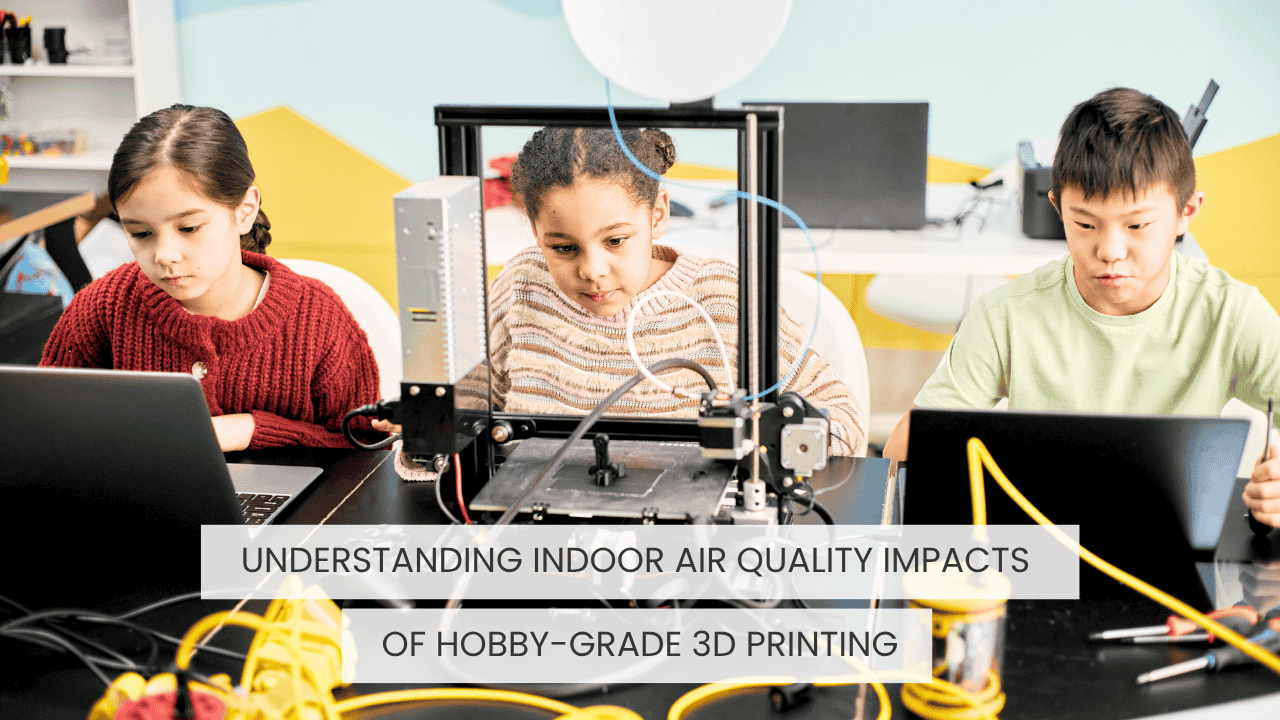


As 3D printing becomes more widely adopted in educational environments, questions around indoor air quality and safety are increasingly relevant. This white paper explores how desktop or hobby-grade 3D printers impact particulate matter (PM) and volatile organic compounds (VOCs) in classroom settings.
Through real-world monitoring, the study evaluates emission patterns, material differences (ABS vs PLA), and environmental factors such as ventilation and room conditions. The findings provide a clearer understanding of potential exposure risks and practical considerations for maintaining safe learning environments while leveraging 3D printing technology.
What You’ll Learn:
• How different 3D printing materials (ABS vs PLA) affect particle emissions and air quality
• Key insights into VOC presence in classrooms and their contributing sources beyond 3D printing
• The role of ventilation, room conditions, and maintenance practices in managing indoor air quality
Who Is This For:
• Educators and school administrators implementing 3D printing in classrooms
• Facility and safety managers responsible for indoor environmental quality
• Decision-makers evaluating safe adoption of 3D printing technologies in shared spaces
To learn more about our certified industrial-grade 3d printing systems, connect with us today or read more on our certified GREENGUARD additive solutions.